Contrario launches: The case for pairing AI agents with human recruiters instead of replacing them
Category
Announcement
Posted on
May 20, 2026
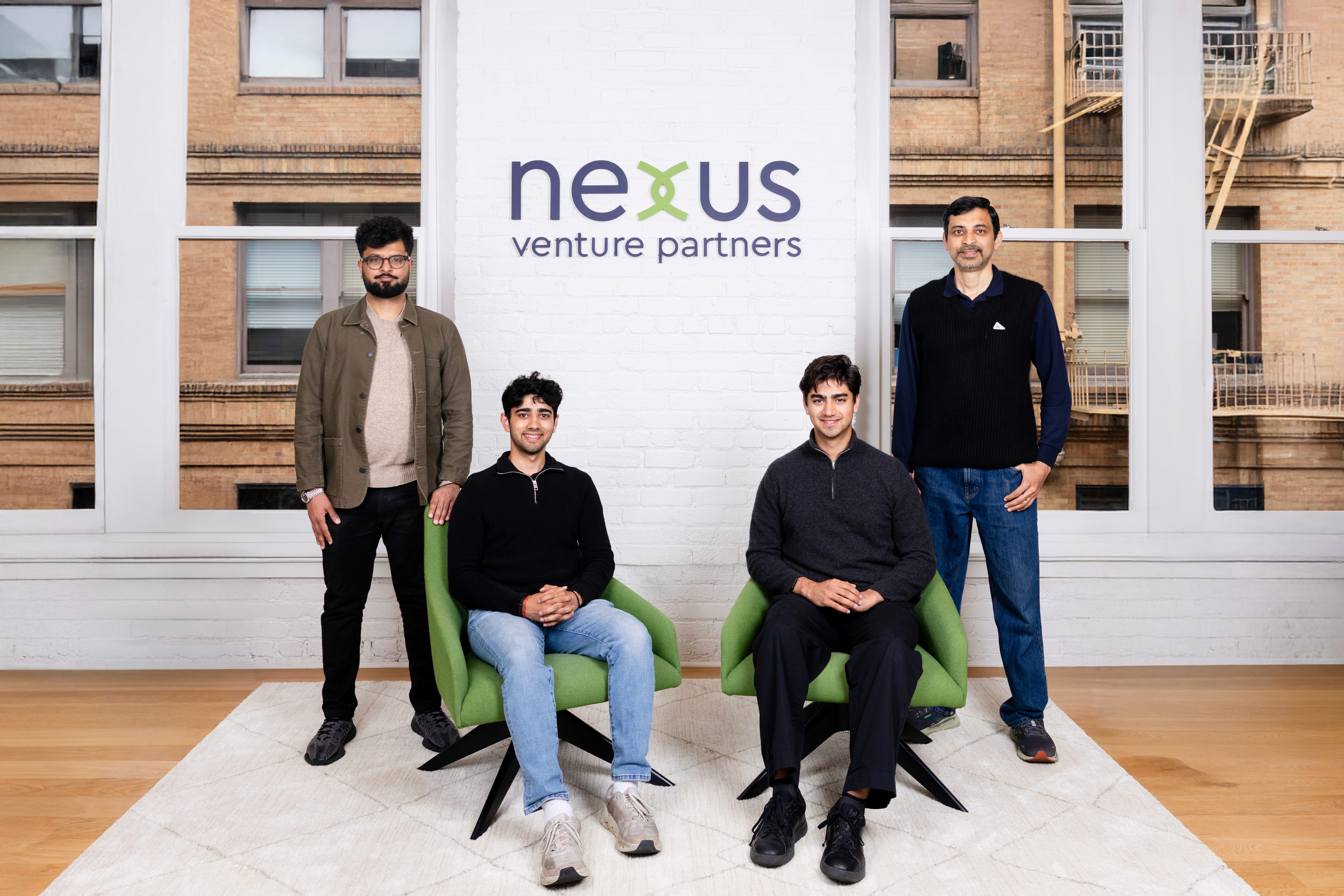
Six months after quietly going to market, the Stanford dropout-founded startup says it has paid out over $1 million to recruiters on its platform, signed more than 200 high-growth company clients, and built a model that bets on hybrid intelligence over full automation in one of the most process-heavy workflows in enterprise software.
The AI recruiting tool market has a crowded-field problem. Dozens of startups have shipped software that promises to automate sourcing, screening, and scheduling, and the result has been predictable: hiring teams are buried in AI-generated candidate profiles that look qualified on paper but require the same human judgment to evaluate as before, only now with more volume and less signal. The automation absorbed the easy parts of the workflow and left the hard parts, the ones that actually require expertise, still sitting on a recruiter's desk. Contrario, a San Francisco-based startup founded by Arya Marwaha and Aditya Sood, was built around a specific rejection of that model.
Contrario is officially launching today after six months of quiet operation that produced results unusual for a pre-launch company: a reported $6 million annualized revenue run rate, more than $1 million paid out to recruiters on the platform, and more than 200 client companies. The company closed a $2.3 million seed round led by Nexus Venture Partners. Contrario is also backed by Y Combinator. The company expects to surpass $25 million in annualized revenue by the end of 2026.
The founding insight: Become the recruiter first
Marwaha and Sood met in their freshman dorm at Stanford University and left their master's programs to build Contrario full time. Before founding the company, Marwaha said he previously bootstrapped a separate startup to six-figure ARR and worked at BCG. Sood conducted NLP research at NASA and published through the Stanford AI Lab in collaboration with Anthropic. The combination of research depth and operational startup experience shaped how they approached the problem, but the insight that actually informed the product came from a more direct source: they became recruiters themselves.
In the early stages of building Contrario, the founders ran searches personally, working through WhatsApp threads, PDFs sent by email, and candidate tracking spreadsheets. What they found confirmed a pattern they had observed across companies of every size: the parts of recruiting that were most valuable, talking to candidates, evaluating fit, closing strong hires, were also the parts most frequently crowded out by administrative work. Sourcing coordination, scheduling, resume sorting, follow-up sequences: none of it required recruiter judgment, but all of it consumed recruiter time. That observation produced the architectural decision that defines Contrario's model.
"When Aditya and I started recruiting ourselves, we expected to find an industry that was fragmented. What we didn't expect was how much we'd come to respect the people behind it. The best recruiters we met were running multi-million-dollar businesses out of an Excel spreadsheet and Gmail threads. Hiring is all about better matches and building relationships, and Contrario is building the infrastructure layer recruiters should have had ten years ago." -- Arya Marwaha, Co-Founder and CEO, Contrario
The hybrid model: Where the architecture differs from both incumbents
The recruiting market currently occupies two poles that Contrario argues are both inadequate. Traditional staffing agencies offer human judgment with no software leverage: the recruiter works the search manually, the fee structure is high, and the process is slow. SaaS recruiting tools offer software automation with no human judgment: the platform generates candidates but cannot evaluate them, close them, or adapt to the nuanced requirements of a specific search. Contrario's stated position is that neither pole reflects how high-quality hiring actually works, and that the opportunity is in combining both.
The platform pairs a network of expert recruiters with vertical AI agents built specifically for hiring workflows. The agents handle sourcing coordination, scheduling, follow-ups, and the administrative sequencing that fills recruiter time without requiring recruiter expertise. The recruiters handle candidate evaluation, relationship-building, and closing. Contrario integrates directly into a company's Slack and ATS, which means the platform operates within the hiring stack rather than alongside it. The data layer compounds with each search, potentially improving agent performance over time in ways that may differ from more generalized AI tools without hiring-specific training.
The results the model is producing
The numbers Contrario is reporting for its first six months are the kind that tend to circulate in enterprise sales conversations: it says companies on the platform have received qualified candidates faster than through some traditional agencies and platforms, with some pipelines filling in within days rather than weeks. The platform reports an 80 percent first-round interview rate, meaning four out of five candidates submitted meet the hiring bar of the receiving company. That figure is notably high for a market where candidate-to-interview conversion rates at traditional agencies and sourcing tools tend to run significantly lower.
The recruiter-side economics are equally notable. According to Contrario, some top recruiters on the platform earn more than $100,000 per month, and more than $1 million has been paid out through the platform in aggregate. That payout figure is significant not just as a marketing number but as a structural signal: the figure may suggest the platform has reached enough search volume to generate meaningful income opportunities for recruiters, which could help support retention of experienced recruiters within the network. A recruiting platform that cannot retain high-quality recruiters collapses into a pure software product, which is the category Contrario is explicitly trying to differentiate from.
The market context
The timing of the launch reflects a genuine tension in the enterprise hiring market. AI has made candidate outreach cheaper and more scalable, which has simultaneously increased the noise that candidates experience and raised the bar for what a recruiting process needs to deliver to attract attention from people who are already receiving multiple outreach messages. The founders and executives at the fastest-growing companies still report spending 30 to 50 percent of their time on recruiting, much of it on process management rather than talent evaluation. The promise of AI recruiting tools has been to reduce that burden. The reality, for most tools currently on the market, has been to shift the burden rather than eliminate it. Contrario's bet is that the only way to actually reduce it is to pair software automation with human expertise that can handle the parts of the search that software cannot. Six months and $6 million in annualized run rate suggest the market is, at minimum, willing to test that bet.
Contrario is headquartered in San Francisco, CA. The company is scheduled to launch publicly on May 20, 2026. More information at contrario.ai
The future of hiring starts here
Ready to hire great talent fast? Get started with Contrario.
" height="12.134999999999998px" id="jmZIpI8UH" transform="translate(114.965 14.995)" width="10.201999999999998px"/><path d="" display="none" fill="rgb(255, 255, 255)" height="16.894699946594237px" id="sj1vAjS2H" transform="translate(107.288 10)" width="5.560000000000002px"/><path d="M 0 0.872 L 0 0.236 L 3.629 0.236 L 3.629 2.121 C 4.178 1.382 4.728 0.848 5.278 0.518 C 5.843 0.173 6.417 0 6.998 0 C 7.501 0 7.972 0.149 8.412 0.448 C 8.852 0.746 9.221 1.225 9.519 1.885 L 7.988 2.804 C 7.752 2.238 7.485 1.846 7.187 1.626 C 6.888 1.406 6.558 1.296 6.197 1.296 C 5.804 1.296 5.411 1.422 5.019 1.673 C 4.642 1.924 4.218 2.396 3.746 3.087 L 3.746 9.991 C 3.746 10.541 3.77 10.87 3.817 10.98 C 3.864 11.075 4.013 11.13 4.265 11.145 L 6.032 11.287 L 6.032 11.899 L 0 11.899 L 0 11.287 L 1.296 11.145 C 1.547 11.114 1.697 11.051 1.744 10.957 C 1.791 10.863 1.814 10.541 1.814 9.991 L 1.814 2.144 C 1.814 1.594 1.791 1.272 1.744 1.178 C 1.697 1.084 1.547 1.021 1.296 0.99 Z" display="none" fill="rgb(255, 255, 255)" height="11.8994px" id="e1WzpcAWf" transform="translate(96.933 14.995)" width="9.519199999999998px"/><path d="" display="none" fill="rgb(255, 255, 255)" height="12.134999999999998px" id="k7lHqmJ7x" transform="translate(84.773 14.995)" width="11.121700000000004px"/><path d="M 0 0.872 L 0 0.236 L 3.629 0.236 L 3.629 2.121 C 4.178 1.382 4.728 0.848 5.278 0.518 C 5.844 0.173 6.417 0 6.998 0 C 7.501 0 7.972 0.149 8.412 0.448 C 8.852 0.746 9.221 1.225 9.52 1.885 L 7.988 2.804 C 7.752 2.238 7.485 1.846 7.187 1.626 C 6.888 1.406 6.558 1.296 6.197 1.296 C 5.804 1.296 5.412 1.422 5.019 1.673 C 4.642 1.924 4.218 2.396 3.746 3.087 L 3.746 9.991 C 3.746 10.541 3.77 10.87 3.817 10.98 C 3.864 11.075 4.014 11.13 4.265 11.145 L 6.032 11.287 L 6.032 11.899 L 0 11.899 L 0 11.287 L 1.296 11.145 C 1.547 11.114 1.697 11.051 1.744 10.957 C 1.791 10.863 1.814 10.541 1.814 9.991 L 1.814 2.144 C 1.814 1.594 1.791 1.272 1.744 1.178 C 1.697 1.084 1.547 1.021 1.296 0.99 Z" display="none" fill="rgb(255, 255, 255)" height="11.8994px" id="WscL1xxVr" transform="translate(73.898 14.995)" width="9.519500000000008px"/><path d="M 8.058 12.748 C 7.823 13.659 7.454 14.326 6.951 14.75 C 6.448 15.175 5.804 15.387 5.019 15.387 C 4.265 15.387 3.652 15.222 3.181 14.892 C 2.71 14.546 2.364 14.099 2.144 13.549 C 1.924 12.999 1.814 12.426 1.814 11.829 L 1.814 5.396 C 1.814 4.846 1.791 4.524 1.744 4.43 C 1.712 4.336 1.563 4.273 1.296 4.241 L 0 4.123 L 0 3.487 L 1.814 3.487 L 1.814 0.4 L 3.746 0 L 3.746 3.487 L 7.587 3.487 L 7.587 4.241 L 3.746 4.241 L 3.746 12.017 C 3.746 13.007 3.88 13.69 4.147 14.067 C 4.43 14.444 4.799 14.633 5.254 14.633 C 5.71 14.633 6.056 14.46 6.291 14.114 C 6.543 13.769 6.723 13.203 6.833 12.418 Z" display="none" fill="rgb(255, 255, 255)" height="15.386700000000001px" id="rpfI1rizy" transform="translate(64.504 11.744)" width="8.058499999999995px"/><path d="M 13.172 11.287 L 13.172 11.899 L 7.611 11.899 L 7.611 11.287 L 8.907 11.145 C 9.158 11.114 9.307 11.051 9.355 10.957 C 9.402 10.863 9.425 10.541 9.425 9.991 L 9.425 4.123 C 9.425 2.961 9.237 2.144 8.86 1.673 C 8.483 1.186 7.941 0.942 7.234 0.942 C 6.715 0.942 6.142 1.1 5.514 1.414 C 4.885 1.728 4.296 2.341 3.747 3.252 L 3.747 9.991 C 3.747 10.541 3.77 10.863 3.817 10.957 C 3.864 11.051 4.014 11.114 4.265 11.145 L 5.561 11.287 L 5.561 11.899 L 0 11.899 L 0 11.287 L 1.296 11.145 C 1.547 11.114 1.697 11.051 1.744 10.957 C 1.791 10.863 1.814 10.541 1.814 9.991 L 1.814 2.144 C 1.814 1.594 1.791 1.272 1.744 1.178 C 1.697 1.084 1.547 1.021 1.296 0.99 L 0 0.872 L 0 0.236 L 3.629 0.236 L 3.629 2.144 C 4.194 1.39 4.83 0.848 5.537 0.518 C 6.26 0.173 6.983 0 7.705 0 C 8.867 0 9.763 0.361 10.391 1.084 C 11.035 1.791 11.357 2.796 11.357 4.1 L 11.357 9.991 C 11.357 10.541 11.381 10.863 11.428 10.957 C 11.475 11.051 11.624 11.114 11.876 11.145 Z" display="none" fill="rgb(255, 255, 255)" height="11.8994px" id="Sd5jK1N1_" transform="translate(50.243 14.995)" width="13.171700000000001px"/><path d="" display="none" fill="rgb(255, 255, 255)" height="12.134999999999998px" id="wLodmd9tB" transform="translate(37.764 14.995)" width="10.202800000000003px"/><path d="M 17.412 0 L 0 10 L 0 30 L 17.412 40 L 34.824 30 L 34.824 10 Z M 31.878 28.309 L 17.412 36.617 L 2.945 28.309 L 2.945 11.692 L 17.412 3.383 L 31.878 11.692 Z" fill="rgb(255, 255, 255)" height="40px" id="PG0yW8zPb" width="34.8235px"/><path d="M 0 19.145 L 0 6.382 L 11.112 0 L 22.224 6.382 L 22.224 10.725 L 16.892 10.725 L 16.892 9.444 L 11.112 6.124 L 5.332 9.444 L 5.332 16.084 L 11.112 19.403 L 16.892 16.084 L 16.892 14.805 L 22.224 14.805 L 22.224 19.145 L 11.112 25.527 Z" fill="rgb(255, 255, 255)" height="25.52738px" id="I6sddyObQ" transform="translate(6.3 7.237)" width="22.22409px"/></svg>)
PRODUCT
© Contrario Inc. 2026